
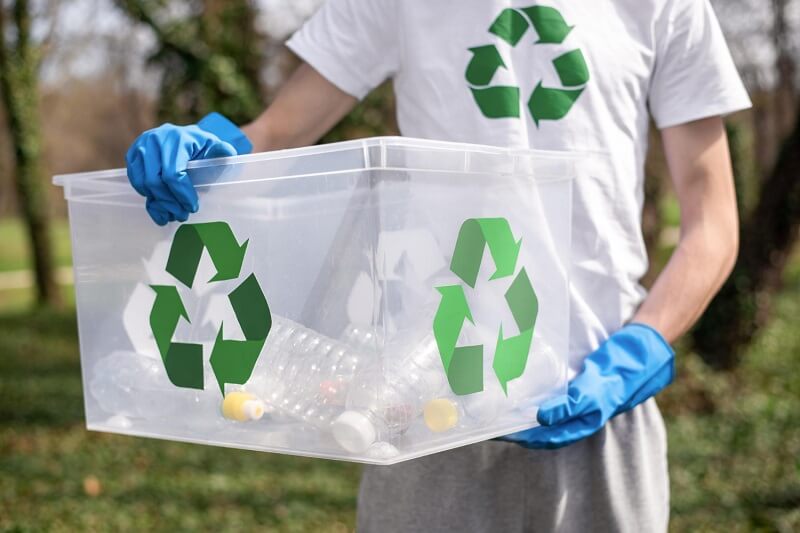
Flake caustic soda, chemically known as sodium hydroxide (NaOH), is an indispensable chemical compound utilized across diverse global manufacturing sectors. In recent years, materials scientists made a remarkable discovery regarding its role in tackling one of the most pressing environmental challenges of modern times: plastic recycling.
New Horizons in Plastic Upcycling
Researchers at the Massachusetts Institute of Technology (MIT) uncovered that flake caustic soda can significantly accelerate and streamline the chemical depolymerization of polyethylene terephthalate (PET) — one of the most widely used plastics worldwide, commonly found in beverage bottles and consumer packaging.
Laboratory trials demonstrated that NaOH effectively breaks PET polymer chains at much lower reaction temperatures, making the recycling process substantially more energy-efficient and ecologically sustainable. This breakthrough paves the way for scalable closed-loop plastic recycling, dramatically curbing carbon footprints and environmental burden.
Core Advantages of the Method
- Energy Efficiency: The application of caustic soda allows decomposition at reduced process temperatures, significantly lowering industrial power consumption and greenhouse emissions.
- Cost-Effectiveness: Utilizing NaOH requires less specialized equipment and reduced operating overhead compared to traditional pyrolysis or high-pressure glycolysis methods.
- Environmental Safety: Sodium hydroxide is globally accessible and controllable compared to aggressive chlorinated solvents, creating a safer operating environment for chemical plant personnel.
Widespread Applications of NaOH
Beyond cutting-edge polymer recycling, flake caustic soda plays a foundational role across primary industrial sectors:
- Pulp & Paper Manufacturing: NaOH is vital in kraft pulping, separating lignin from wood fibers and in paper bleaching processes.
- Textile Processing: Sodium hydroxide is used in mercerization of cotton fabrics, improving tensile strength, luster, and dye absorption.
- Industrial Water Treatment: Regulates acidity levels, neutralizes heavy industrial effluents, and precipitates dissolved metals.
- Food & Beverage Hygiene: Heavily used in automated CIP (clean-in-place) sanitation loops in breweries and dairy processing facilities.
Safety Guidelines
It is critical to bear in mind that caustic soda is a potent Class 8 corrosive chemical agent capable of causing severe chemical burns upon skin contact. Industrial handlers must always wear appropriate personal protective equipment (PPE), including splash goggles, chemical-resistant gloves, and adhere to MSDS protocols.
Conclusion
The pioneering utilization of flake caustic soda in circular plastic recovery marks a substantial leap toward sustainable industrial production and global ecology. NaOH continually proves its unparalleled versatility, spearheading new horizons for chemical and technological innovation.